

What Is a Quenching Oil Filtration System?
A Quenching Oil Filtration System is used to remove soot, carbon, oxide scale, metal fines and sludge from quenching oil used in heat treatment. During every quench cycle, hot steel parts burn off surface oil and shed scale into the tank, and this contamination builds up fast if it is not continuously filtered out.
In heat treatment shops running induction hardening, case hardening or continuous quench furnaces, dirty quenching oil leads to inconsistent cooling rates, soft spots, quench cracks and surface staining on parts. A properly sized quenching oil filtration system keeps the oil clean and thermally stable, protecting part quality, extending oil life and reducing unplanned maintenance on pumps, heaters and centrifuges.
KTS 1200 mobile quenching oil filtration system with two KT600 centrifuge filters
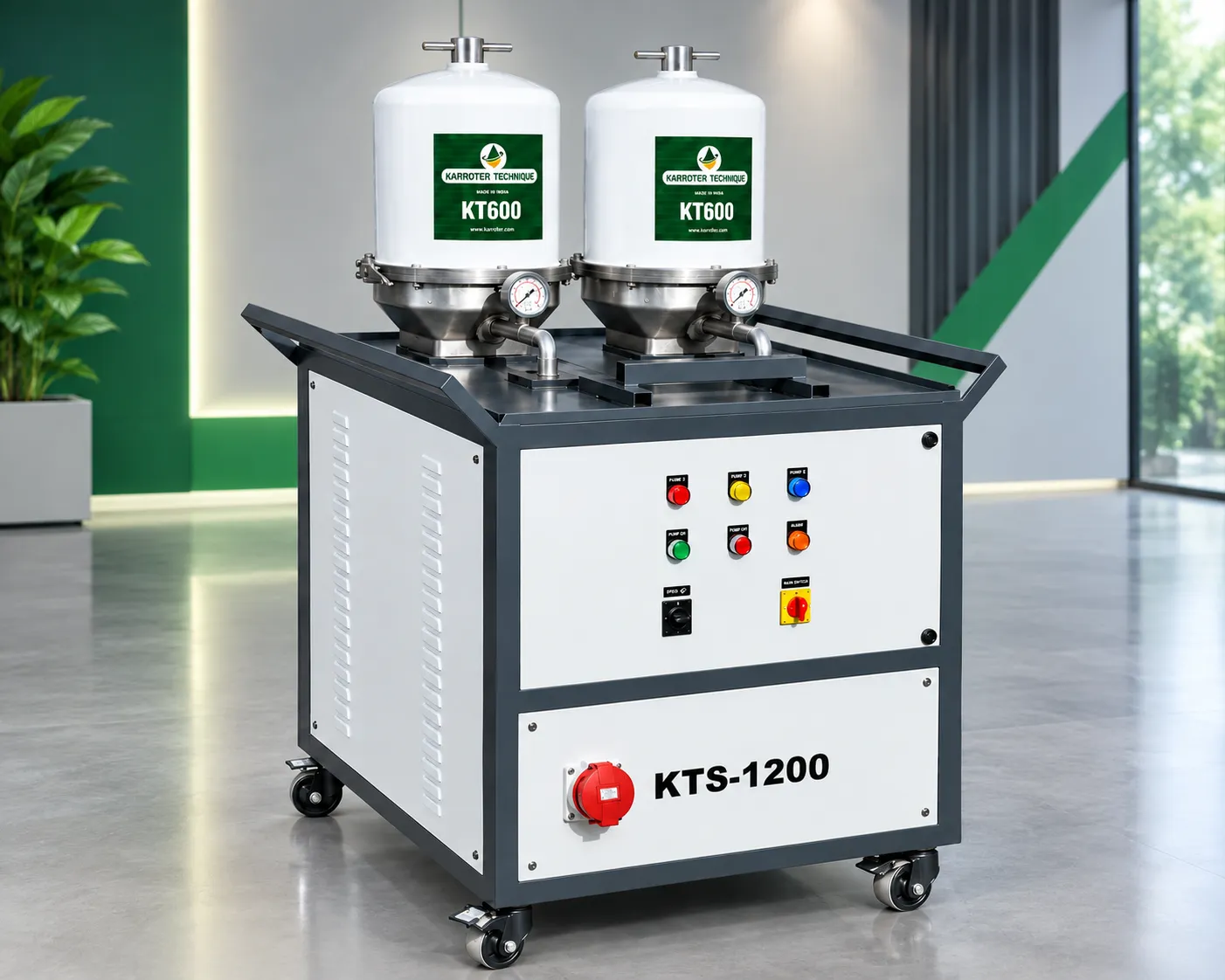
Quenching Oil Filtration
Salient Features
- Removes soot, carbon, oxide scale, metal fines and sludge from quenching oil
- Two stage filtration with KT600 series centrifuge filters: pre filter followed by fine filter
- Available in KTS 1200 (2 centrifuge filters) and KTS 1800 (3 centrifuge filters) capacities
- Mobile trolley mounted design with castor wheels for easy movement between quench tanks
- User friendly control panel with Pump On/Off, trip indication and hour meter
- Stable, consistent pressure drop across filter stages for predictable quench performance
- Plug and Play, hassle free installation on new or existing quench tanks
- Robust in house testing of every machine
- Competitive price.
Technical Specifications of Our KTS Series
| KTS-600 | KTS-1200 | KTS-1800 | |
|---|---|---|---|
| Centrifuge filters (KT600 series) | 1 No. | 2 Nos | 3 Nos |
| Flowrate | 4000 LPH | 8000 LPH | 12000 LPH |
| Suitable for quench tank capacities (subject to dust generation rate per day) |
6 KL to 8 KL | Up to 15 KL | Up to 20 KL |
| Pump with motor | 75 LPM, 3 Hp | 200 LPM, 5 Hp | 225 LPM, 7.5 Hp |
| Oil inlet port | 1 ¼ Inch BSP | 2 Inch BSP | 2 Inch BSP |
| Oil outlet port | 3 Inch | 5 Inch | 8 Inch |
| Control Panel | Pump On/Off, Trip indication, Hour meter |
Pump On/Off, Trip indication, Hour meter |
Centrifuge Pump On/Off, Trip indication, Hour meter |
| Frame | Mobile trolley mounted, castor wheels |
Mobile trolley mounted, castor wheels |
Fixed skid mounted |
| Power supply | 415 V, 3 Phase | 415 V, 3 Phase | 415 V, 3 Phase |
| Approximate weight | 150 Kgs | 200 Kgs | 280 Kgs |
Our KTS Quenching Oil Filtration Range
Choose the model that matches your quench tank size and daily dust generation rate.
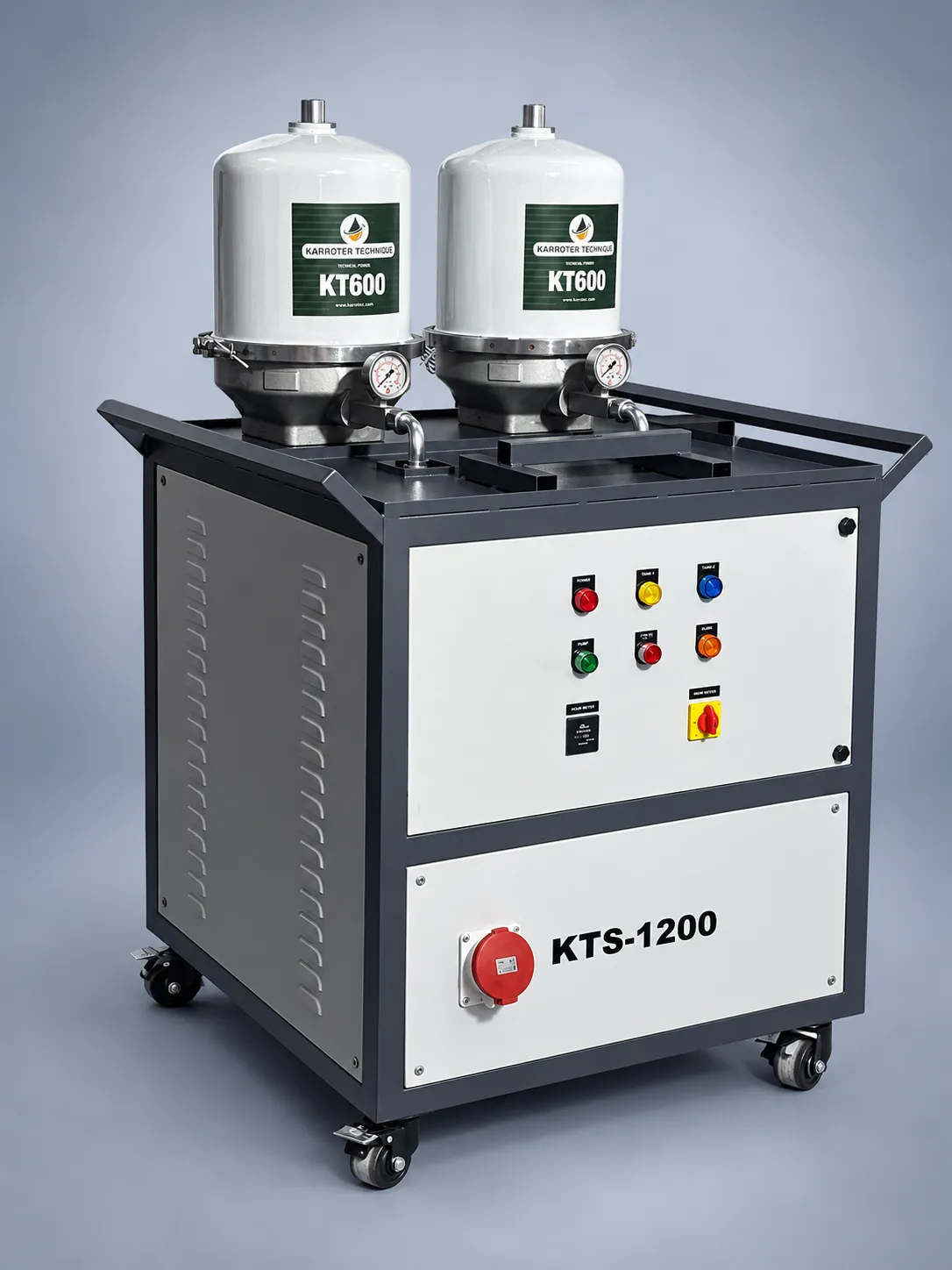
KTS 1200
- Centrifuge filters (KT600 series)2 Nos
- Flowrate8000 LPH
- Quench tank capacityUp to 15 KL
- Pump with motor200 LPM, 5 Hp
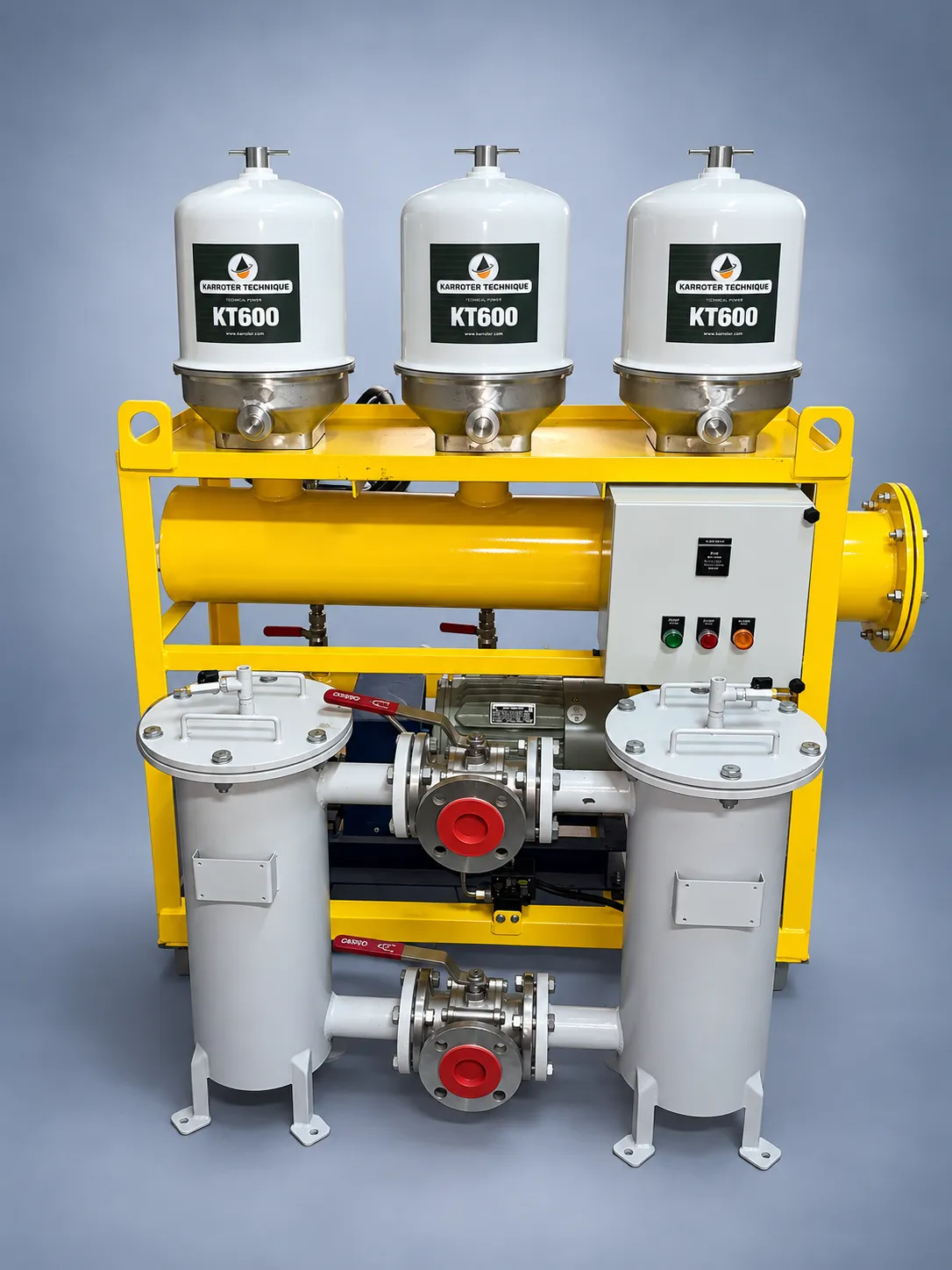
KTS 1800
- Centrifuge filters (KT600 series)3 Nos
- Flowrate12000 LPH
- Quench tank capacityUp to 20 KL
- Pump with motor225 LPM, 7.5 Hp
Also available: KTS 600 with 1 centrifuge filter, 4000 LPH, for quench tanks of 6 KL to 8 KL. Tank suitability is subject to the dust generation rate per day.
Why Filtration Is Needed
Every quench cycle contributes contamination in a few predictable ways.
Soot and Carbon Particles
Oil burned off the hot part surface creates fine carbon and soot that stays suspended in the oil.
Scale and Metal Fines
Oxide scale, fine dust and metal particles come off the parts during quenching and handling.
Sludge Formation
Over time, oxidized oil and suspended particles combine into sludge that settles in tanks, on heaters and in pumps.
Water and Contamination
Condensation or carryover from washing stations can enter the quench tank.
Degraded Additives
Oil additives break down over time and form polymers that darken the oil and raise its viscosity.
If quenching oil is not filtered continuously, all of this circulates through the system and gets quenched onto the next part.
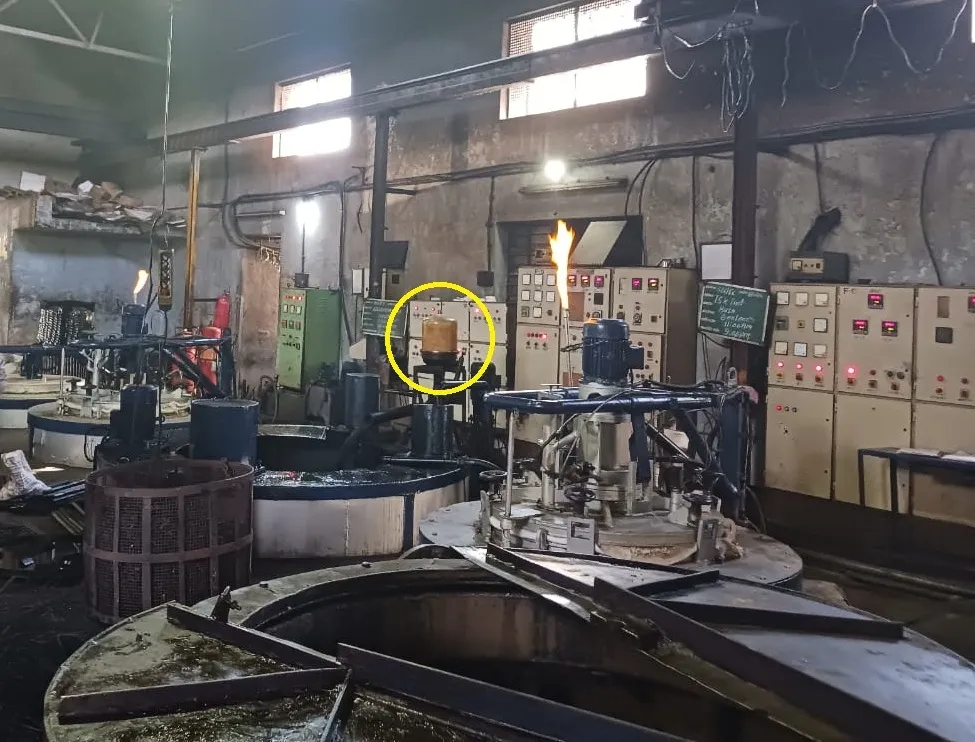
Key Benefits of a Quenching Oil Filtration System
Better Part Quality
Clean oil means a uniform cooling rate, with fewer soft spots, quench cracks and surface discoloration, and improved surface finish.
Longer Oil Life
Removing carbon and sludge slows oil oxidation, so you do not have to dump and replace the full oil charge as often, which is a significant cost saving.
Stable Quench Speed
Suspended particles increase viscosity and insulate parts, and clean oil keeps cooling curves consistent from batch to batch.
Less Maintenance
Heaters, pumps and spray nozzles clog less, and pressure drop across the filter stages stays stable over time.
Safer Operation
Less sludge means lower fire risk and less fuming or smoke, and tanks are easier to clean during shutdowns.
Reduced Rework
Fewer rejects caused by staining, soft spots or scale entrapment on the part surface.
Applications of Quenching Oil Filtration Systems
Quenching Oil Filtration Systems are widely used across industries such as:
- Heat Treatment Shops, for induction hardening, case hardening and batch or continuous furnace quench lines
- Forging and Automotive Component Manufacturing, to keep quench tanks clean across high part throughput
- Bearing and Fastener Manufacturing, where consistent hardness and surface finish are critical to quality
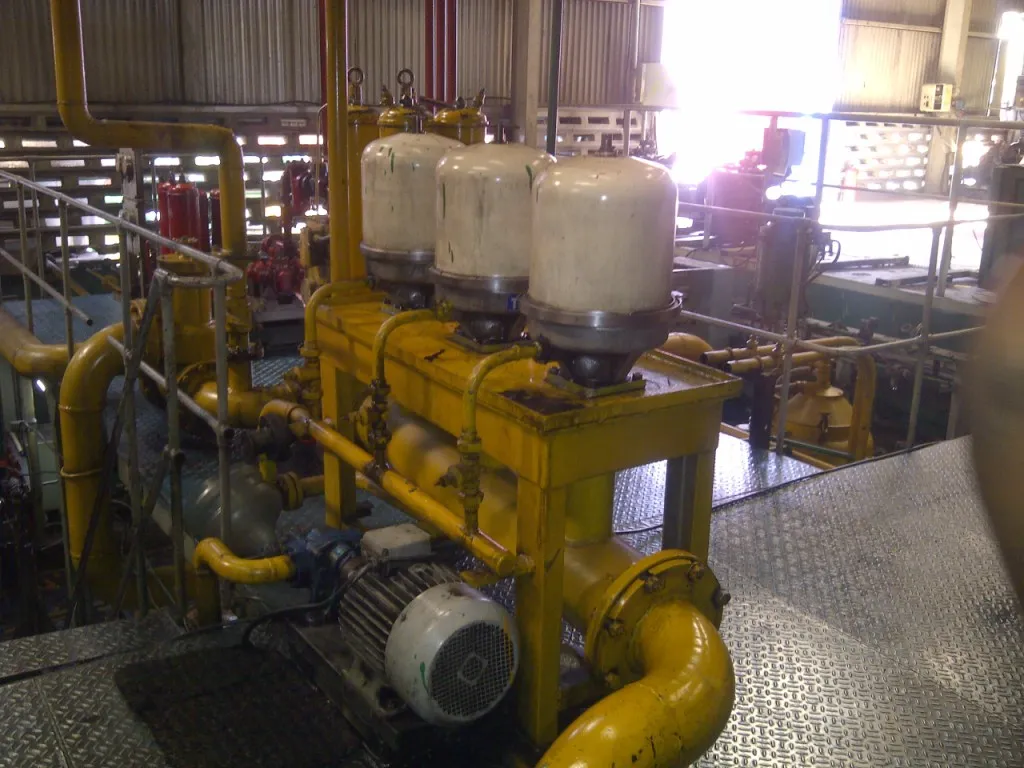
Features of Our KTS Quenching Oil Filtration System
Two Stage KT600 Filtration
A pre filter stage catches larger scale and debris first, extending the life of the downstream fine filter, which then polishes the oil and removes the fine carbon responsible for staining and inconsistent cooling.
Individual Filter Housing Pressure Gauges
Each KT600 housing carries its own pressure gauge, so a rising pressure drop signals a filter change before it affects quench performance.
User Friendly Control Panel
Pump On/Off, trip indication and an hour meter give operators clear, simple control over the system.
Mobile, Compact Design
The KTS 600 and KTS 1200 are trolley mounted on castor wheels so they can be moved between quench tanks, while the KTS 1800 is fixed skid mounted for higher throughput installations.
Why Choose Us for Your Quenching Oil Filtration System Needs?
At Karroter, we are committed to delivering practical, reliable oil purification solutions for heat treatment operations. Our KTS series Quenching Oil Filtration Systems are engineered for durability and consistent performance, helping you protect part quality, extend oil service life and cut down on unplanned maintenance around your quench tank.
How the Quenching Oil Filtration Process Works
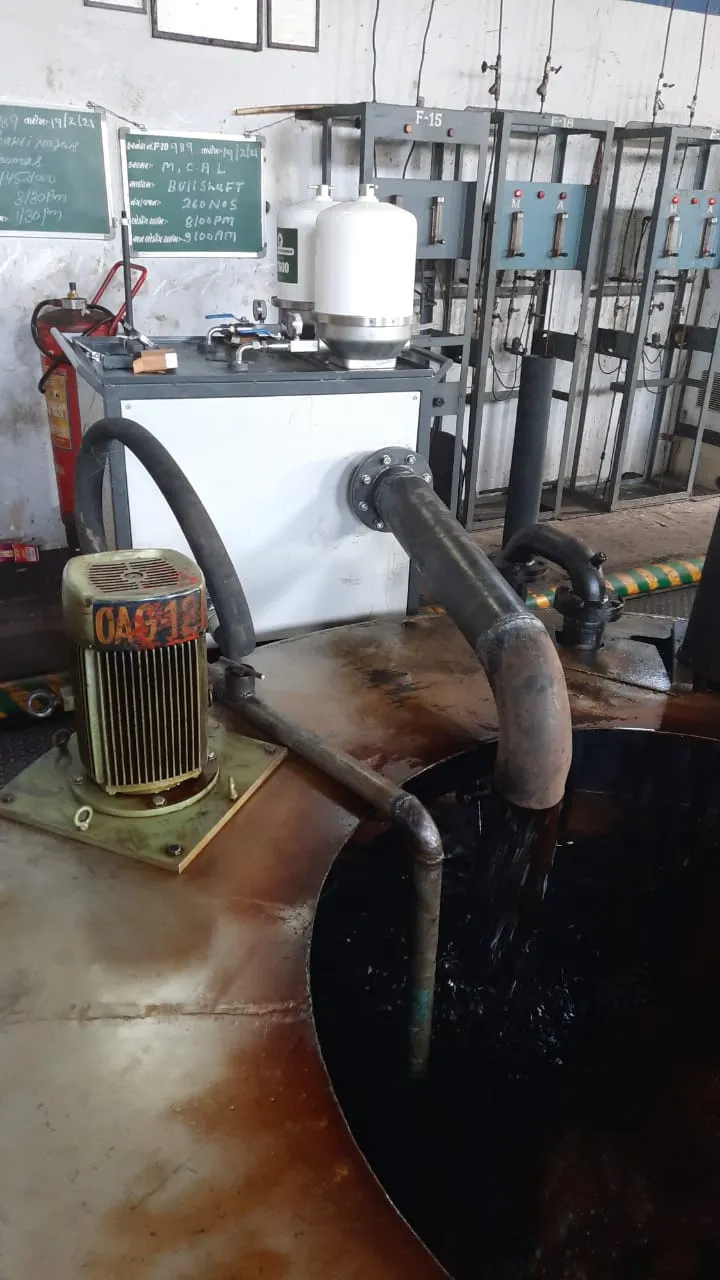
The filtration process is designed to run continuously alongside your quench operation. Oil is drawn from the quench tank through a submersible or suction hose and first passed through the KT600 pre filter stage, where coarse scale, dust and larger particles are captured.
The partially clean oil then moves to the fine filter stage, which removes the fine carbon and soot particles responsible for staining and viscosity increase. Clean, filtered oil is then returned directly to the quench tank, ready for the next cycle.
This staged process ensures consistent oil cleanliness, stable quench performance and reliable part quality cycle after cycle.
Final Thoughts
A Quenching Oil Filtration System is essential for any heat treatment operation that wants consistent part quality and lower oil costs. By continuously removing soot, scale, metal fines and sludge, the KTS series keeps your quench tank clean, your cooling curves predictable and your maintenance costs down.
Contact us today to learn more about our Quenching Oil Filtration Systems and how they can benefit your operations.
Frequently Asked Questions
What is a Quenching Oil Filtration System used for?
A Quenching Oil Filtration System is used to remove soot, carbon particles, oxide scale, metal fines and sludge from quenching oil used in heat treatment. It keeps quench tanks clean, stabilizes cooling rates and helps protect part quality and equipment like pumps, heaters and centrifuges from clogging.
Why does quenching oil get contaminated so quickly?
Every quench cycle burns off oil from the hot part surface, creating fine soot and carbon that stays suspended in the oil. Scale, metal fines and dust also come off parts, and over time oxidized oil and particles combine into sludge, all of which builds up fast without continuous filtration.
What is the difference between the KTS 600, KTS 1200 and KTS 1800 models?
The KTS 600 uses one KT600 series centrifuge filter and is rated at 4000 LPH on a mobile trolley frame, suitable for quench tanks of 6 KL to 8 KL. The KTS 1200 uses two centrifuge filters and is rated at 8000 LPH on a mobile trolley frame, suitable for quench tanks up to 15 KL. The KTS 1800 uses three centrifuge filters and is rated at 12000 LPH on a fixed skid mounted frame, suitable for larger quench tanks up to 20 KL. Tank suitability depends on the dust generation rate per day.
What filtration stages does a Quenching Oil Filtration System use?
A typical KTS unit uses a pre filter stage to catch coarse scale and debris, followed by a fine filter stage to remove fine carbon and soot. Each KT600 filter housing has its own pressure gauge so the filtration stages can be monitored independently.
How does clean quenching oil improve part quality?
Clean oil provides a uniform cooling rate across parts, which reduces soft spots, quench cracks and surface discoloration while improving surface finish. Since suspended particles increase viscosity and insulate parts, keeping the oil clean also keeps cooling curves consistent from batch to batch.
How often should quenching oil filters be checked or changed?
Filters should be checked based on the pressure gauge reading on each KT600 housing rather than a fixed schedule alone, since a rising pressure drop signals it is time for a filter change. Routine inspection during shift changes helps catch this early and avoid a drop in filtration performance.
What are the benefits of using a Quenching Oil Filtration System instead of frequent oil replacement?
A Quenching Oil Filtration System extends the useful life of your existing oil charge by continuously removing contaminants, reducing how often you need to dump and replace oil. This lowers oil procurement costs, reduces downtime, minimizes fire and fume risk from sludge buildup and cuts down on part rework caused by dirty oil.