

Thermic oil filtration system skid with KT600 centrifuge filter
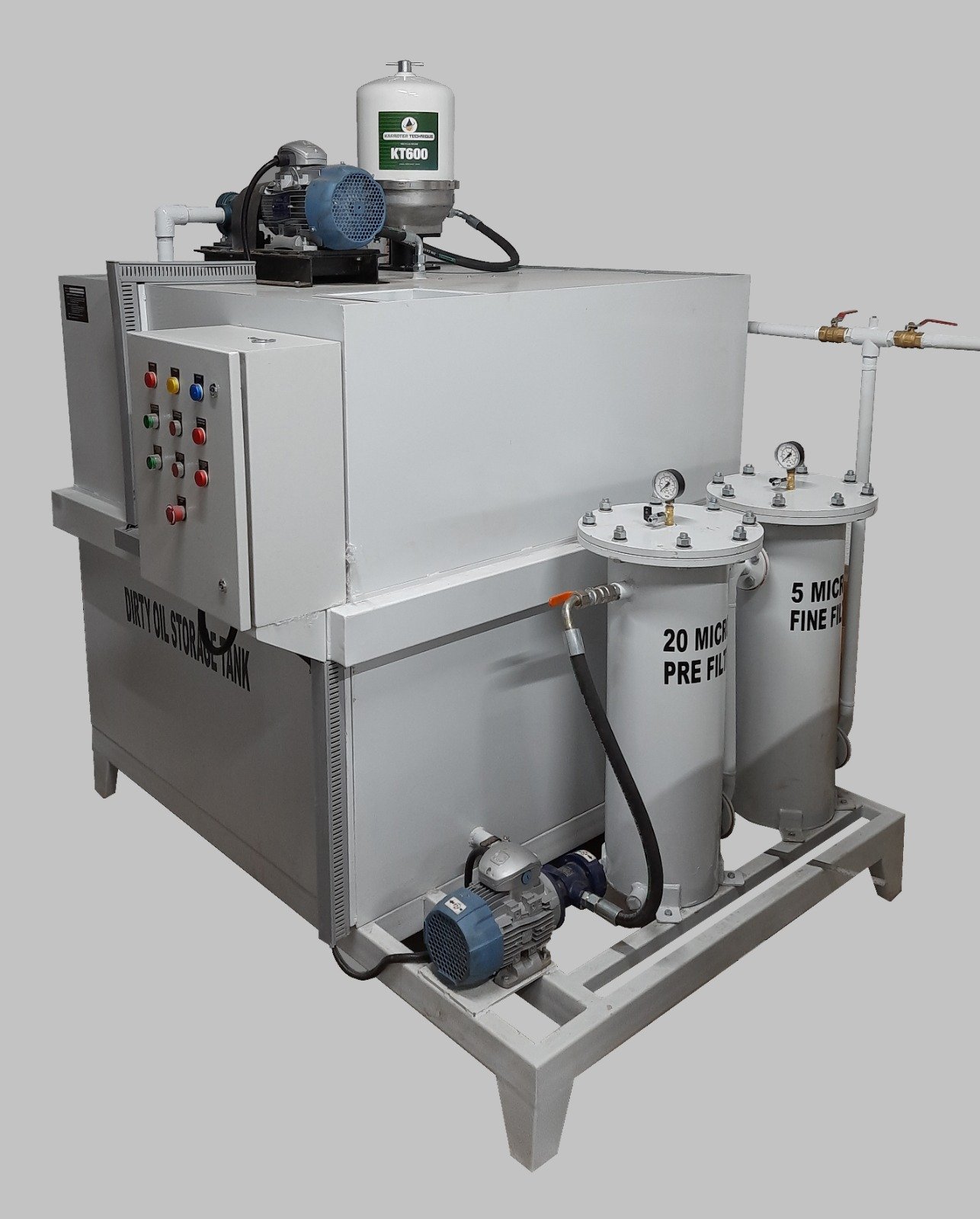
Thermic Oil Filtration System
Thermic Oil and Heat Transfer Oil Filtration: Need and Benefits
Thermic oil, also called heat transfer oil or hot oil, runs in a closed loop system feeding boilers, reactors, dryers and other process heating equipment. It is heated up to 180 degree C and kept circulating for years at a time. Without continuous filtration, this oil degrades fast, and the contamination it picks up circulates straight back through your heater tubes, pumps and process coils.
A Thermic Oil Filtration System is built to stop that cycle, removing carbon, coke, oxidation byproducts and scale continuously while your system stays online.
Why Filtration Is Needed
At operating temperature, thermic oil is under constant thermal and oxidative stress, and contamination builds up from several sources at once.
Carbon and Coke Particles
At high temperature, oil molecules crack. This forms hard carbon particles and soft sludge that circulate through the system and bake onto hot surfaces.
Oxidation Byproducts
Any air leak into the system creates acids, polymers and varnish, which accelerate further oil breakdown.
Scale and Dust
Pipe scale, weld slag and fine dust enter the loop from piping, pumps and the expansion tank.
Gasket and Seal Debris
Small particles are generated every time the system is opened for maintenance, and these circulate until they are filtered out.
Key Benefits of Thermic Oil Filtration
Energy Efficiency
Clean oil transfers heat far better than fouled oil. Carbon deposits on heater tubes act like insulation, and even a 1mm coke layer can increase fuel consumption by 5 to 8 percent. Keeping tubes clean through continuous filtration translates directly into a lower gas or electric bill.
Longer Oil Life
Removing carbon and acids slows down further cracking and oxidation. Instead of changing oil every 1 to 2 years, a well filtered system can often push oil life to 4 to 6 years, which is a significant saving given how expensive thermic oil is to replace.
Protect Equipment
Heaters are protected from hot spots and tube burn out, pumps and seals see less abrasion from particles and need less maintenance, and control valves and process coils stay free of clogging and fouling.
Safer Operation
Sludge and coke lower the oil's flash point and increase its viscosity, which raises pump pressure and fire risk. Clean oil runs at the pressure and temperature the system was designed for, with less fuming.
Stable Process Temperature
Particle free oil gives consistent viscosity and heat transfer, which means fewer temperature swings in your reactor or dryer and better, more consistent product quality.
Less Downtime
Fewer heater cleanings, pump failures and full system flushes mean your plant keeps running instead of going down for unplanned maintenance.
Typical Filtration Setup for Thermic Oil
Side Stream Loop
Rather than filtering the full system flow, a side stream of about 5 to 10 percent of total flow is continuously passed through the filtration skid and returned clean, so the process itself is never interrupted.
Pre Filter, 100 to 200 Micron
Catches larger particles like scale, dust and coarse debris before they reach the fine filter stage.
Fine Filter, 50 to 100 Micron
Removes the fine carbon particles that are primarily responsible for fouling on heater tubes and in process coils.
Centrifugal Oil Filter
Removes very fine solid particles that cartridge filters alone tend to miss. A centrifugal filter bowl is completely cleanable, so there is no recurring cartridge cost at all, only periodic cleaning.
Typical Technical Specifications for Thermic Oil Filtration Systems
| Parameter | Typical Range |
|---|---|
| Filtration type | Side stream, continuous loop |
| Pre filter rating | 100 to 200 micron |
| Fine filter rating | 50 to 100 micron |
| Centrifugal filter stage | Mandatory filter, Cleanable, no recurring cartridge cost |
| Maximum oil operating temperature | Up to 180 deg C, system dependent |
| Filter housing MOC | Mild Steel or SS 304, heat resistant gaskets |
| Pump type | Gear pump, high temperature rated |
| Control Panel | Pump On/Off, trip indication, differential pressure monitoring |
| Installation | Skid mounted, connects to existing thermic fluid loop |
Note: Exact flow rate, pump HP, filter micron rating and skid size are selected based on your system oil volume, operating temperature and heater tube layout. Contact us for a configuration matched to your plant.
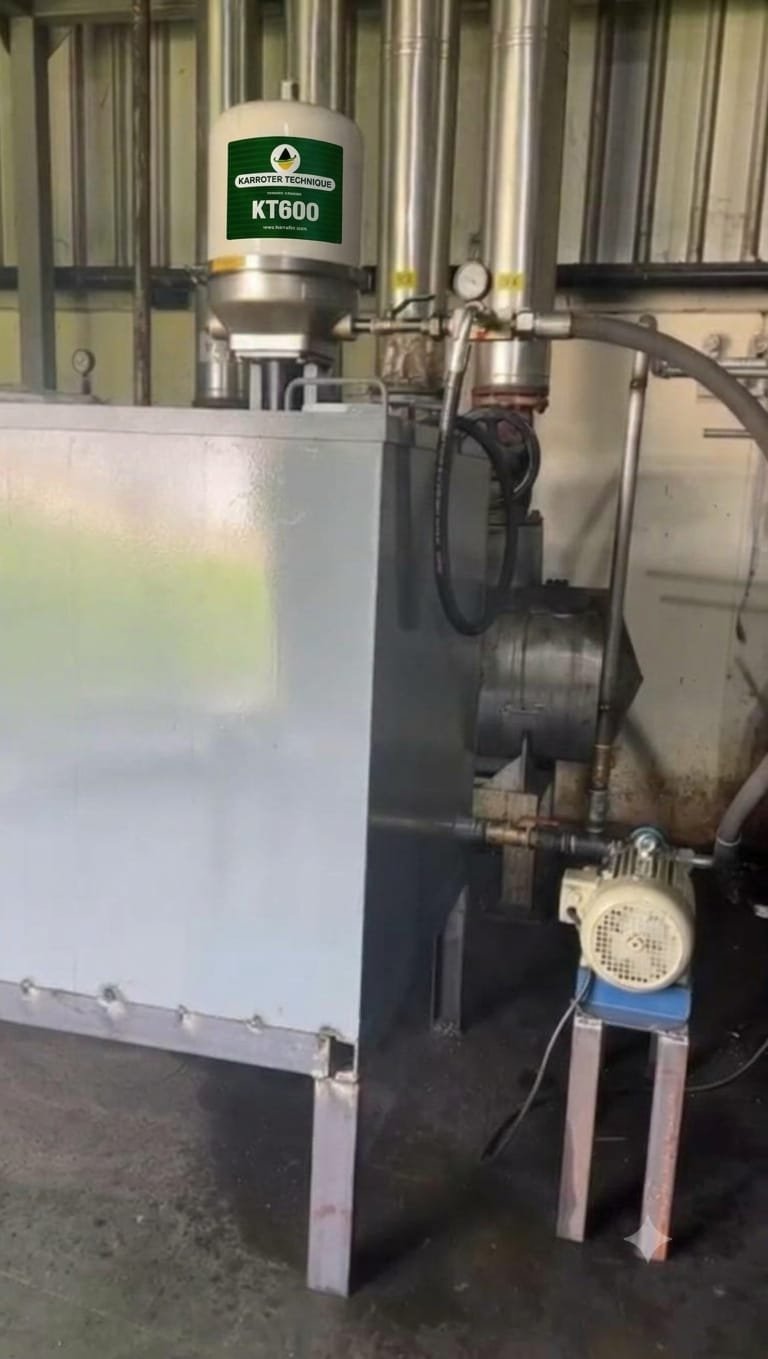
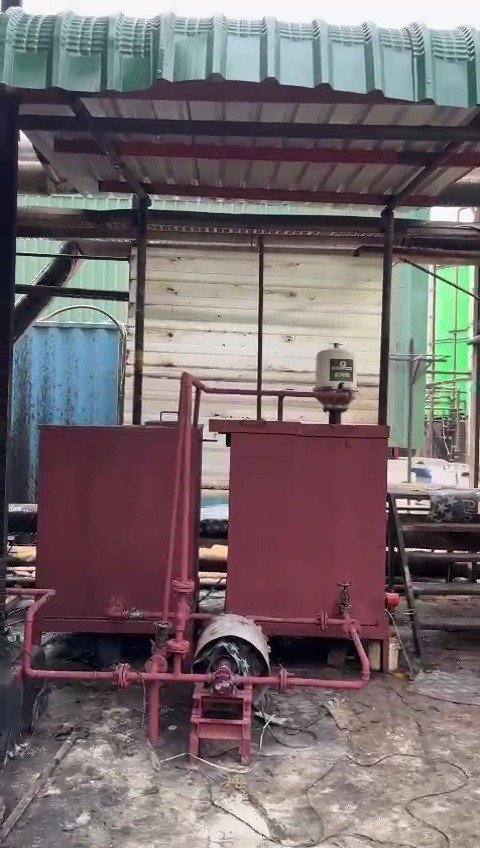
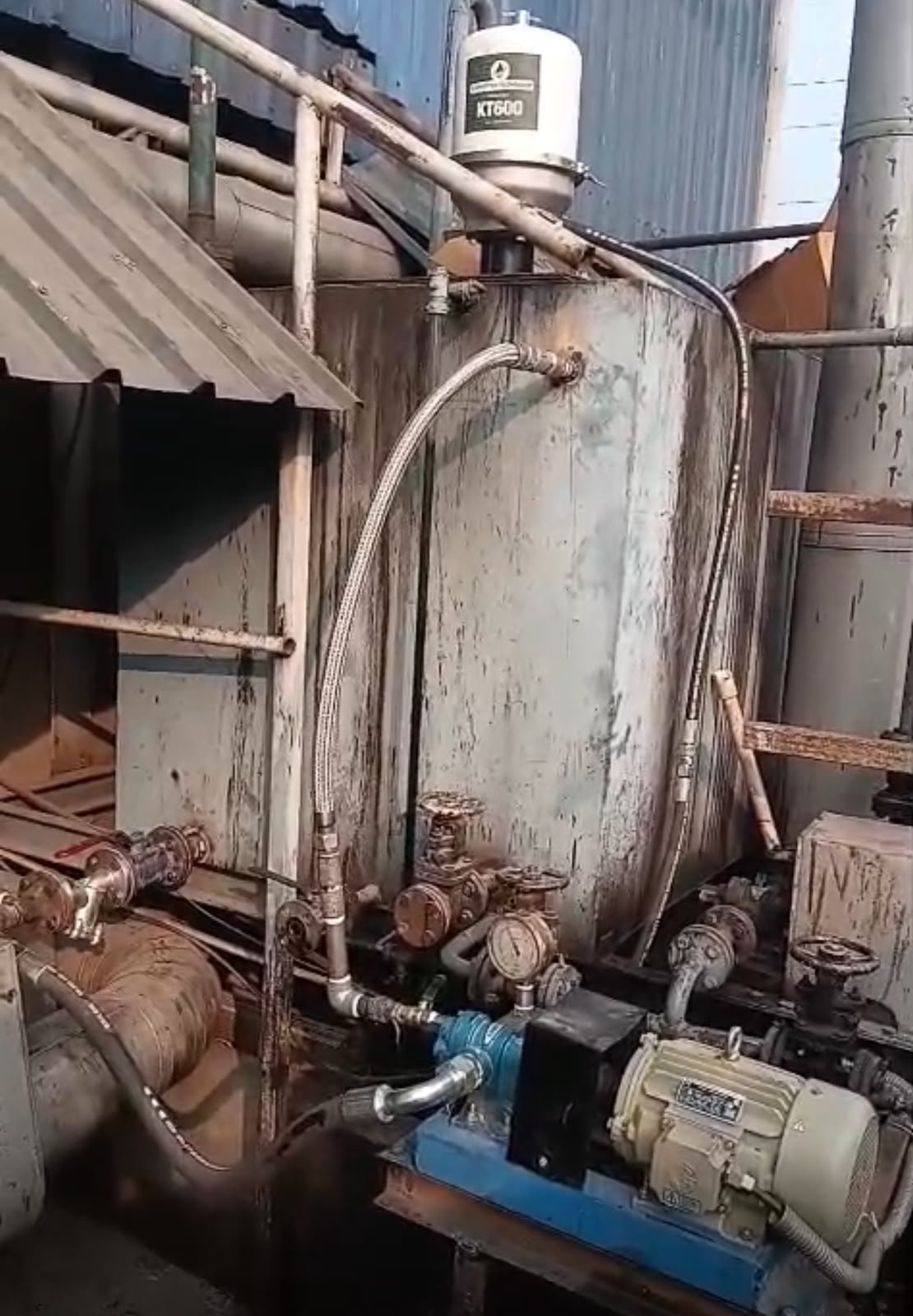
Our Systems On Site
Applications of Thermic Oil Filtration Systems
Thermic Oil Filtration Systems are used wherever hot oil circulates in a closed loop, including:
- Process Heating Plants, running thermic fluid heaters for boilers and reactors
- Chemical and Pharmaceutical Manufacturing, where reactor jackets rely on hot oil for consistent temperature control
- Textile and Dyeing Units, using thermic oil for stenters, dryers and calendering machines
- Food Processing and Edible Oil Refineries, where hot oil systems drive dryers and process vessels
- Plastic and Rubber Processing, using hot oil for extruder barrels, moulds and calendars
Features of Our Thermic Oil Filtration System
Continuous Side Stream Filtration
The system runs alongside your process without interrupting production, filtering a small percentage of total flow around the clock.
Two Stage Filtration Plus Centrifuge
A pre filter removes coarse particles, a fine filter removes fouling grade carbon, and a centrifugal stage catches the rest, without any recurring filter cartridge cost.
High Temperature Rated Components
Pumps, gaskets and filter housings are selected to handle sustained thermic oil operating temperatures reliably.
Differential Pressure Monitoring
Pressure gauges across each filtration stage flag a rising pressure drop before it affects flow or filtration performance.
Why Choose Us for Your Thermic Oil Filtration Needs?
At Karroter, we are committed to delivering practical, reliable oil purification solutions for process heating operations. Our Thermic Oil Filtration Systems are engineered to handle sustained high temperature operation, helping you cut fuel costs, extend oil life and protect heaters, pumps and process equipment from fouling and downtime.
How Thermic Oil Filtration Works
A side stream of hot oil, typically 5 to 10 percent of total system flow, is continuously drawn off the main loop and passed through the pre filter stage, where coarse particles and scale are captured.
The oil then moves to the fine filter stage, which removes the fine carbon particles responsible for tube fouling and reduced heat transfer. A centrifugal stage then removes any remaining ultra fine solids before clean oil is returned to the main loop.
Because only a fraction of total flow is filtered at any time, the system runs continuously without interrupting the process, steadily improving oil cleanliness over each pass.
Final Thoughts
A Thermic Oil Filtration System protects the two things that matter most in a hot oil system: energy efficiency and uptime. By continuously removing carbon, coke, oxidation byproducts and scale, it keeps heater tubes clean, extends oil life from a couple of years to several, and prevents the fouling that leads to unplanned shutdowns.
Contact us today to learn more about our Thermic Oil Filtration Systems and how they can benefit your operations.
Frequently Asked Questions
What is a Thermic Oil Filtration System used for?
A Thermic Oil Filtration System is used to remove carbon, coke, oxidation byproducts, scale and debris from thermic oil or heat transfer oil circulating in closed loop systems feeding boilers, reactors and dryers. It keeps heater tubes and process equipment clean, protecting heat transfer efficiency and extending oil life.
Why does thermic oil need continuous filtration?
Thermic oil runs at temperatures up to 180 degree C for years at a time, and at these temperatures the oil cracks, forming carbon and sludge. Air leaks add acids and varnish, while scale and gasket debris enter from piping and maintenance work. Without continuous filtration, all of this circulates and deposits on heater tubes, pumps and process coils.
How does clean thermic oil save on fuel costs?
Carbon deposits on heater tubes act as insulation, and even a 1mm coke layer can increase fuel consumption by 5 to 8 percent. Continuous filtration keeps heater tubes clean, which maintains efficient heat transfer and directly lowers your gas or electric bill.
What filtration stages does a Thermic Oil Filtration System use?
A typical system uses a pre filter rated 100 to 200 micron to catch coarse particles, followed by a fine filter rated 50 to 100 micron to remove fouling grade carbon. A centrifugal stage removes ultra fine solids that cartridge filters miss, and the centrifuge bowl is fully cleanable with no recurring cartridge cost.
Why is filtration done on a side stream instead of the full oil flow?
Filtering a side stream, typically 5 to 10 percent of total system flow, allows the filtration system to run continuously without interrupting the main process. Over time, repeated passes through the side stream steadily clean the entire oil volume in the loop.
How much longer can thermic oil last with proper filtration?
Unfiltered thermic oil is often replaced every 1 to 2 years as carbon and acids build up. With continuous side stream filtration removing these contaminants, many plants extend oil life to 4 to 6 years, which is a significant saving given the cost of thermic oil replacement.